
What is RAPID Neurofascial Reset?
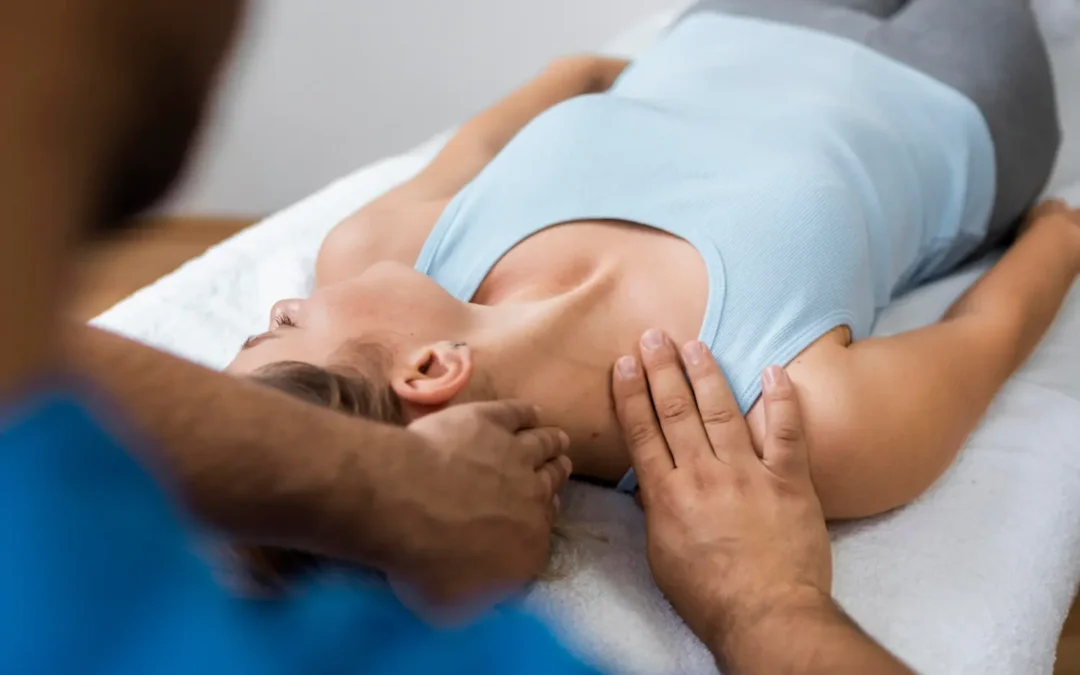
RAPID Neurofascial Reset, usually shortened to RAPID NFR, is a hands-on, neurologically based technique designed to identify and release the root cause of stubborn pain, tension, and restricted movement, often in fewer sessions than traditional massage. Rather than working only on the muscle that hurts, RAPID NFR targets the central nervous system’s role in “locking down” tissue after an injury, surgery, or long-term overuse pattern.
At Orthosports Calgary, RAPID NFR is offered by Brian Natali, RMT, a Registered Massage Therapist and member of the Natural Health Practitioners of Canada who is certified in the technique. Because Brian is a licensed RMT, RAPID NFR sessions are typically billed and accepted by insurers as registered massage therapy; see the insurance section below for details.
This guide explains how the technique works, what conditions it’s used for, what a session actually feels like, and how to know whether it’s the right next step for your specific pain, based on what’s outlined on our RAPID NFR service page.
How RAPID NFR works
When soft tissue is damaged, whether from a trauma, overuse, surgery, or even prolonged oxygen deprivation to an area, the nervous system can respond by “locking down” the affected muscles, fascia, nerves, and ligaments as a protective mechanism. That protective lockdown is useful in the short term, but when it doesn’t release on its own, it becomes a source of chronic pain, tension, and limited mobility long after the original injury has healed.
RAPID NFR works by directly engaging the central nervous system (the brain, spinal cord, and major nerve pathways) through targeted hands-on manipulation, aiming to interrupt that lockdown response and allow the tissue to release. This is the key difference from standard massage, which primarily works on the muscle tissue itself rather than the neurological signal telling that tissue to stay guarded.
Conditions RAPID NFR is used for
According to Orthosports’ RAPID NFR service page, the technique is used to address a wide range of chronic and stubborn conditions, including:
- Tendonitis, bursitis, and plantar fasciitis
- Sciatica and chronic lower back pain
- Whiplash and neck or shoulder pain that hasn’t fully resolved with massage
- Frozen shoulder
- TMJ/TMD (jaw pain and tension)
- Carpal tunnel syndrome
- Tennis elbow and golfer’s elbow
- Shin splints and knee pain
- Arthritis-related stiffness and bunions
- Chronic headaches
- Scar tissue from surgery or old injuries
If you’ve read our guides on neck pain and whiplash or shoulder pain and rotator cuff treatment, RAPID NFR is the technique most likely to be recommended when those conditions haven’t fully resolved with standard orthopedic massage.
RAPID NFR vs. regular massage vs. manual osteopathy
Orthopedic / deep tissue massage
- Targets: muscle tension and soft-tissue restriction
- Typical use case: general tightness, tech neck, muscle-based pain that responds to hands-on work
Manual osteopathy
- Targets: whole-body structural and compensation patterns
- Typical use case: recurring pain that keeps coming back, joint stiffness, post-injury compensation across multiple areas
RAPID NFR
- Targets: nervous-system “lockdown” at the source of chronic restriction
- Typical use case: stubborn, long-standing pain or restriction that hasn’t fully resolved after a few sessions of standard treatment
What a RAPID NFR session feels like
RAPID NFR sessions are hands-on and can feel more intense than a typical massage. Because the technique works directly with areas the nervous system has been protecting, clients sometimes describe the sensation as “good pain”: noticeable during the specific release, but followed by a fairly immediate sense of relief once the restriction lets go. Some soreness in the treated area for up to 24 hours afterward is a normal response, similar to how a deep-tissue massage or a hard workout can leave you sore the next day.
Most clients notice significant improvement within two to four sessions for a single, well-defined issue. More complex or long-standing conditions, such as a compensation pattern that’s built up over years, may take six to eight sessions to fully resolve.
Who RAPID NFR tends to help most
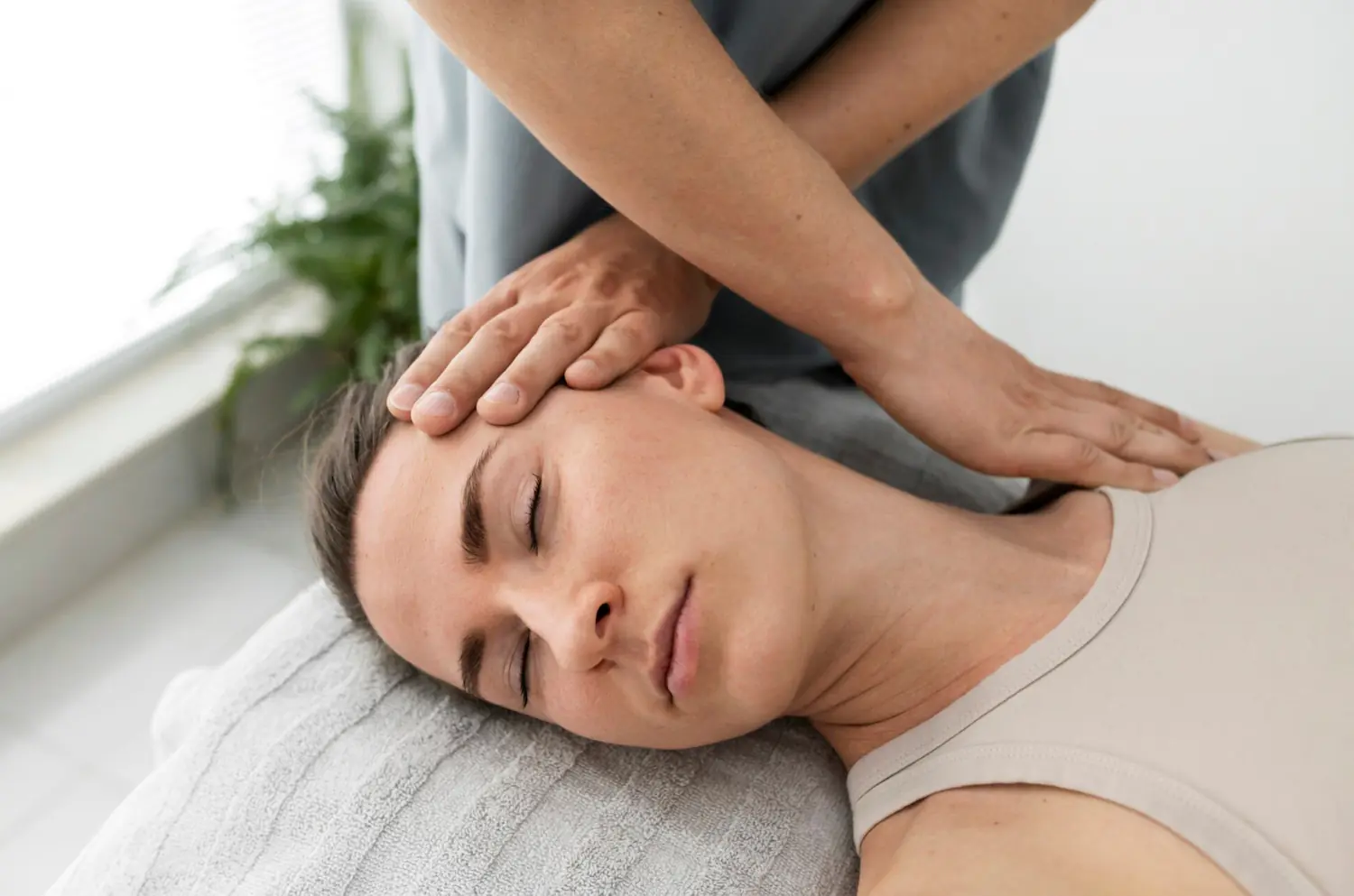
RAPID NFR is generally best suited to people who:
- Have a chronic or recurring pain pattern that hasn’t fully resolved with regular massage after several sessions
- Are recovering from an old injury, surgery, or scar tissue that seems to be limiting movement long after healing
- Have been told their pain is “muscular” but standard treatment hasn’t produced lasting relief
- Want to resolve a specific restriction in fewer total sessions rather than ongoing maintenance massage
RAPID NFR is more intense than a relaxation massage, so it isn’t the first choice for someone looking purely for stress relief or general wellness maintenance; orthopedic or deep tissue massage is usually a better fit for that goal. As with any hands-on therapy, let your therapist know about any recent injury, surgery, pregnancy, or medical condition before your session so they can confirm the technique is appropriate for you that day.
Combining RAPID NFR with other treatments
RAPID NFR is frequently combined with manual osteopathy and acupuncture at Orthosports, particularly for clients working through a multi-part recovery, such as an athlete combining RAPID NFR for an acute restriction with ongoing sports massage for training recovery. Your therapist will recommend a combination based on your assessment rather than defaulting to RAPID NFR alone.
Insurance coverage for RAPID NFR
Because RAPID NFR at Orthosports is delivered by a Registered Massage Therapist, it’s generally billed and covered under the same massage therapy benefits as other RMT services, though coverage depends on your specific plan. See our direct billing and insurance guide for the current list of insurers Orthosports bills directly, and how to confirm your own coverage before booking.
How Orthosports decides if RAPID NFR is the right starting point
Orthosports treats every condition, including chronic and stubborn pain, through the same three-pillar approach used clinic-wide: assessment, treatment, and preventative maintenance. For RAPID NFR specifically, the assessment step matters more than usual, because the technique is more intense than standard massage and works best when it’s targeted at a genuinely nervous-system-locked restriction rather than applied broadly.
In practice, that means your therapist will often start with a standard orthopedic massage or manual osteopathy assessment first. If your pain responds well and continues to improve with that approach, there may be no need to introduce RAPID NFR at all. If a specific area stays stubbornly restricted despite otherwise good progress, that’s the signal RAPID NFR is likely to help.
Who might want to start with regular massage instead
RAPID NFR isn’t the right starting point for everyone. If you’re dealing with general tension, stress, or mild, recent muscle soreness rather than a long-standing restriction, orthopedic or deep tissue massage is typically a gentler and equally effective first step. Save RAPID NFR for the specific, stubborn issues it’s designed for: a restriction that hasn’t responded after a reasonable course of standard treatment, or an old injury pattern that seems “stuck.” Your therapist will always recommend the least intense option that’s likely to work before escalating to a more intensive technique.
What to expect at your first RAPID NFR visit
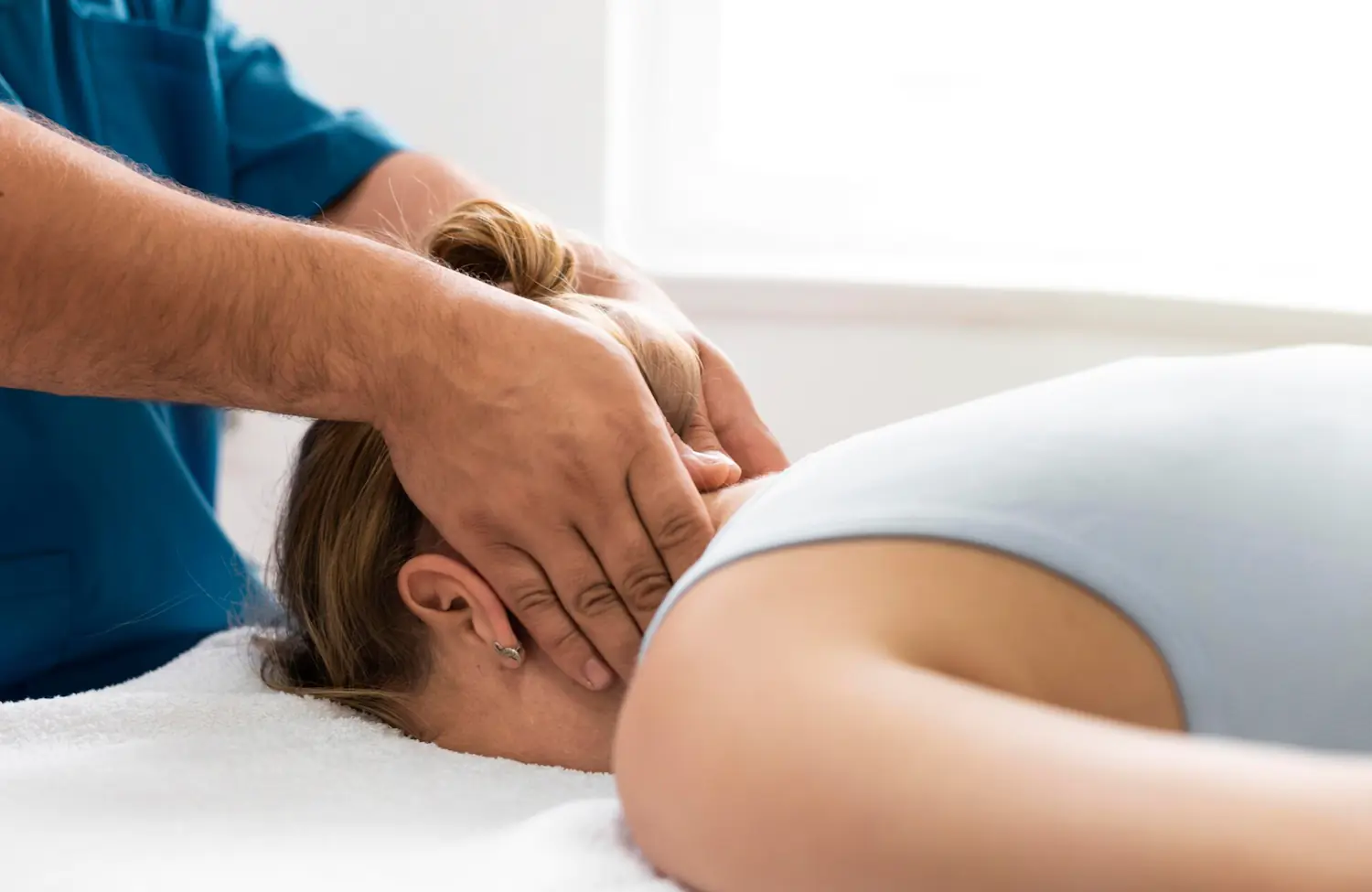
Your first visit starts with an intake covering your pain history and what you’ve already tried, followed by an assessment to confirm RAPID NFR is the right fit before treatment begins. Loose, comfortable clothing is recommended. If you’re coming in for a condition covered elsewhere on our site, such as neck pain and whiplash or shoulder pain and rotator cuff strain, your therapist will connect the assessment findings to a broader treatment plan rather than treating RAPID NFR as a stand-alone fix.
Preparing for a RAPID NFR session
- Wear loose, comfortable clothing that allows access to the area being treated.
- Eat a light meal beforehand. Sessions can be more intense than a relaxation massage, and treating on an empty stomach isn’t ideal.
- Bring a water bottle; staying hydrated before and after soft-tissue work is generally recommended.
- Plan for mild soreness afterward, similar to a hard workout, and avoid scheduling intense training immediately after a session.
Aftercare: what to do after a RAPID NFR session
Gentle movement, hydration, and rest in the treated area for the first 24 hours tend to support the best results. Some clients find light stretching helpful once initial soreness passes, though your therapist will give you specific guidance based on what was treated. If soreness is significantly worse than expected or hasn’t started improving after a couple of days, contact the clinic so your therapist can check in on your progress.
How RAPID NFR sessions are structured
Session length and pricing depend on the area being treated and whether RAPID NFR is combined with another service in the same visit. Contact Orthosports directly at 403-984-9962 or through the booking page for current session options and pricing. Most clients begin with a single-condition assessment before deciding, together with their therapist, whether a course of two to four sessions or a longer six-to-eight session plan fits their situation best.
If regular massage has helped temporarily but your pain keeps returning, RAPID NFR may be able to reach the restriction that’s been left behind.
Frequently Asked Questions
What does RAPID NFR stand for?
RAPID NFR stands for RAPID Neurofascial Reset, a hands-on technique that works with the nervous system’s role in muscle and fascia restriction, rather than treating the muscle tissue alone.
Is RAPID NFR painful?
It’s typically more intense than a relaxation massage and is sometimes described as “good pain”: noticeable during the release, with fairly quick relief afterward. Mild soreness in the treated area for up to 24 hours is a normal response.
How many RAPID NFR sessions will I need?
Many clients see significant improvement within two to four sessions for a single, well-defined issue. Longer-standing or more complex conditions can take six to eight sessions. Your therapist will give you a more specific estimate after your assessment.
Is RAPID NFR the same as massage therapy?
No, though it’s delivered by a Registered Massage Therapist at Orthosports and billed as massage therapy for insurance purposes. RAPID NFR specifically targets the nervous system’s protective response in restricted tissue, while general massage focuses on the muscle tissue itself.
Is RAPID NFR covered by insurance?
Because it’s performed by a Registered Massage Therapist, RAPID NFR is generally eligible under the same massage therapy benefits as other RMT services, though this depends on your individual plan. See our direct billing and insurance guide for details.
Who performs RAPID NFR at Orthosports?
Brian Natali, RMT, a Registered Massage Therapist and member of the Natural Health Practitioners of Canada, is certified in RAPID NFR at Orthosports Calgary.
Can RAPID NFR help with an old injury that’s never fully healed?
It’s often used for exactly that situation: scar tissue or a compensation pattern left over from a past injury or surgery that hasn’t resolved with other treatment. An assessment will confirm whether it’s a good fit for your specific case.
Curious whether RAPID NFR fits your specific pain pattern? Book a RAPID NFR assessment with Brian Natali at Orthosports Calgary and find out in person.