
Persistent headaches, dizziness, brain fog, neck pain, and sleep disruption – grouped together as post-concussion syndrome – can last for months or years after the original injury. Standard medical treatment often focuses on rest and observation. But for patients with ongoing physical dysfunction, manual therapy offers a direct, targeted path to recovery.
This guide explains what post-concussion syndrome is, why massage and manual therapy help, what our specific MPS + craniosacral protocol involves, and what you should expect from your first session at Orthosports Calgary.
If you are dealing with symptoms that have not resolved, this is worth reading.
What Is Post-Concussion Syndrome?
A concussion occurs when a sudden impact or jolt causes the brain to move inside the skull, disrupting normal neurological function. Most concussions resolve within 2-4 weeks. Post-concussion syndrome (PCS) is diagnosed when symptoms persist beyond that window.
PCS affects approximately 10-15% of concussion patients. Symptoms span multiple systems:
- Physical: Headaches (often the most disabling), dizziness, neck pain and stiffness, sensitivity to light and sound, visual disturbances, balance problems
- Cognitive: Brain fog, difficulty concentrating, memory problems, slowed thinking
- Emotional: Anxiety, irritability, mood changes, depression
- Sleep: Fatigue that does not resolve with rest, insomnia, disrupted sleep cycles
Symptoms often overlap and feed each other – poor sleep worsens brain fog, which increases anxiety, which disrupts sleep further. Treatment needs to address the physical drivers, not just manage individual symptoms.
Why Manual Therapy Helps Post-Concussion Patients
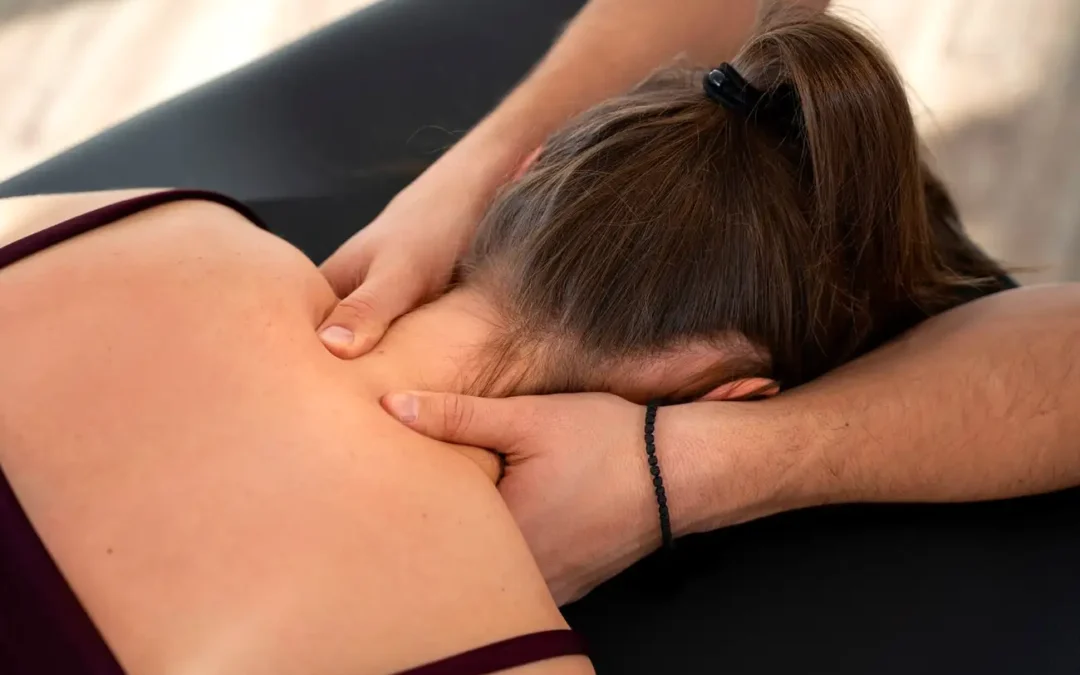
The neck is the only route of connection between the brain and the heart. When cervical muscles and joints are restricted – as they commonly are after a head impact – drainage of cerebrospinal fluid and blood is impaired, and inflammation stays trapped in the brain.
Manual therapy addresses three interconnected physical problems:
Cervical Dysfunction
Whiplash, muscle tension, and joint restrictions in the neck are present in most concussion patients, even when neck pain is not the primary complaint. Releasing these restrictions improves circulation, reduces pressure, and directly affects symptoms like headaches, dizziness, and brain fog.
Autonomic Nervous System Dysregulation
Concussions disrupt the autonomic nervous system – the system that regulates heart rate, digestion, stress response, and dozens of other functions. MPS therapy (Microcurrent Point Stimulation) directly modulates this system, reducing the heightened sympathetic state that keeps many PCS patients locked in a cycle of symptoms.
Vestibular and Balance Disruption
Many post-concussion symptoms – dizziness, balance issues, visual tracking problems – originate in the vestibular system. NeuroKinetic Therapy (NKT) identifies and corrects the specific muscle compensation patterns that develop after vestibular disruption, restoring normal movement and reducing secondary symptoms.
These are mechanisms that have been documented in research and observed consistently in clinical practice.
Our MPS + Craniosacral Approach at Orthosports
At Orthosports Calgary, our concussion recovery protocol combines three therapies applied in sequence:
MPS Therapy (Microcurrent Point Stimulation)
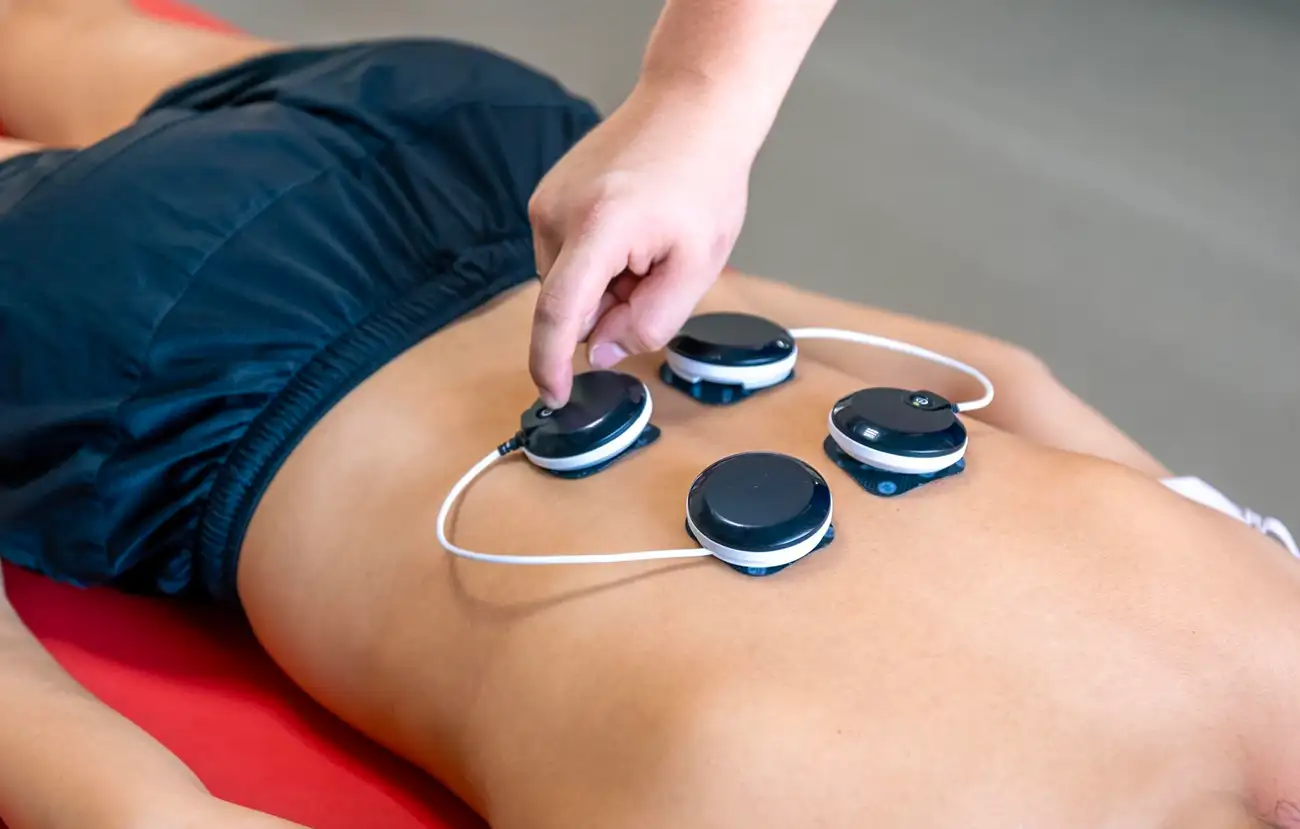
MPS therapy uses a safe DC microcurrent device applied to acupuncture and motor points along the body and spine. It regulates the autonomic nervous system, reduces inflammation, and restores proper nerve signalling. Developed by Canadian researcher Bruce Hocking, it is now widely used in post-concussion recovery programs.
Craniosacral Therapy
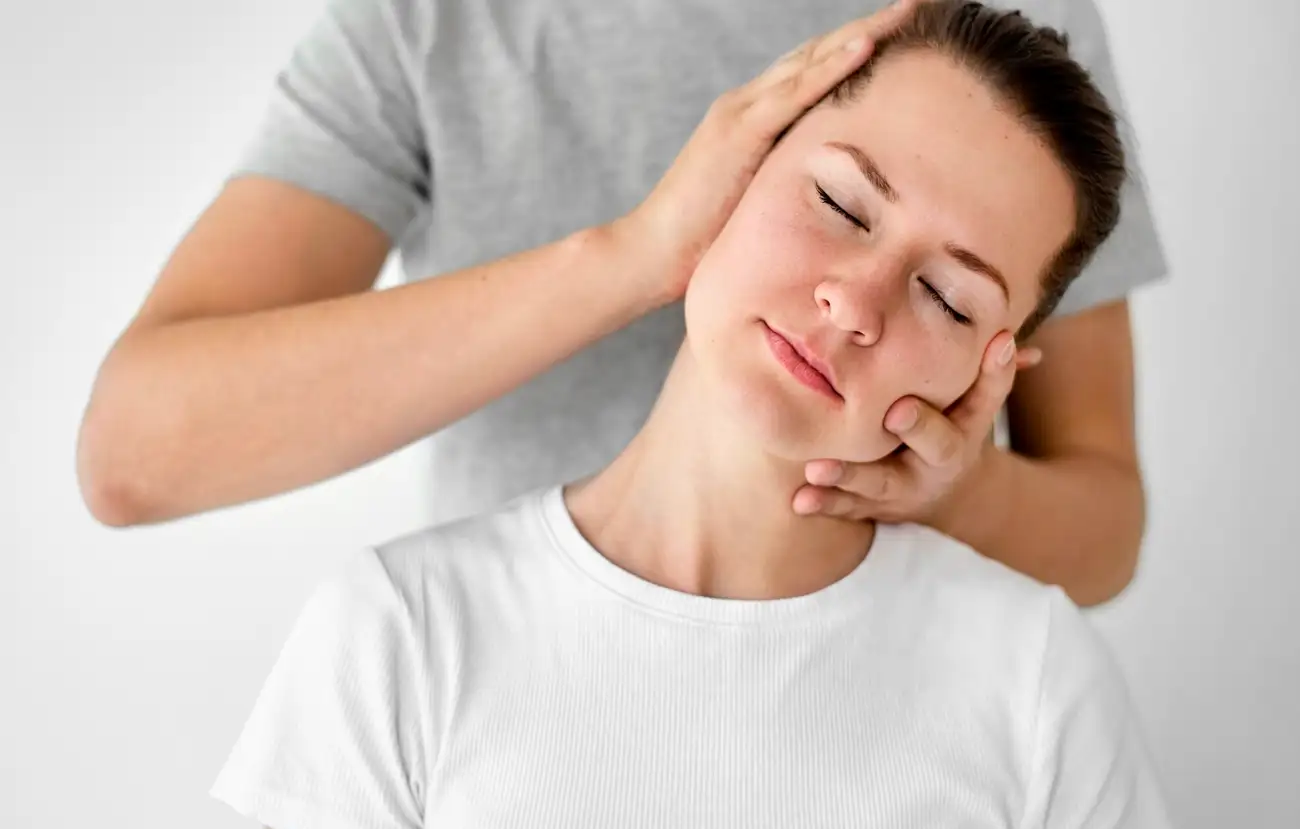
Craniosacral therapy works with the subtle rhythmic movement of cerebrospinal fluid around the brain and spinal cord. Through gentle, non-invasive holds, a trained therapist releases tension in the membranes surrounding the central nervous system. The result: reduced head pressure, nervous system calming, and often immediate relief from headache and brain fog.
NeuroKinetic Therapy (NKT)
NKT is a form of manual therapy that uses muscle testing to identify dysfunctional movement patterns stored in the motor control centre. After a concussion, the body creates compensatory patterns – often involving the neck, jaw, and postural muscles – that perpetuate pain and restrict recovery. NKT identifies these patterns and resets them.
All three are typically combined within a single session, though the specific combination depends on your assessment findings.
What a Session Looks Like at Orthosports Calgary
Your first appointment begins with a full assessment, not treatment. Here is what typically happens:
- Intake and history review (15-20 minutes). We discuss the mechanism of your concussion, the timeline, current symptoms, and any previous treatments or investigations.
- Cervical and postural assessment. We test neck range of motion, joint restrictions, and structural alignment. For most concussion patients, the cervical spine is a primary focus.
- NKT muscle testing. We identify which muscles are inhibited or overcompensating. This often reveals patterns you were not aware of – tight suboccipitals, inhibited deep neck flexors, or shoulder compensation affecting cervical mechanics.
- Treatment. Based on what we find, we apply a combination of MPS, craniosacral therapy, and targeted manual work. Sessions typically run 60-75 minutes.
- Recovery guidance. You leave with specific self-care instructions – gentle movements, positions to avoid, and strategies to support your nervous system between sessions.
Most patients feel a noticeable shift after the first session. Some feel mild fatigue as the nervous system integrates the treatment – this usually resolves within 24-48 hours.
Recovery Timeline – What to Realistically Expect
Honest guidance, not marketing promises:
Recent concussion (under 6 weeks, symptoms stable): Most patients see meaningful improvement in 3-5 sessions. Early intervention is highly effective when the physical drivers are addressed directly.
Persistent PCS (6 weeks – 1 year): A typical course of 6-10 sessions, with most patients seeing consistent progress across sessions. The nervous system takes time to recalibrate.
Chronic PCS (1+ years): Longer treatment course, but we regularly work with patients who have had symptoms for 2-5+ years and still achieve significant improvement. The physical dysfunctions – especially cervical restrictions – are often still addressable even years later.
The patients who do best are those who come in consistently, apply the self-care guidance between sessions, and give the process a few weeks to show results.
When to Start – and When to Wait
The right time to start manual therapy:
- Symptoms are stable or gradually improving
- You have been cleared by a physician for hands-on therapy
- The acute phase (first 48-72 hours) has passed
- You are not experiencing vomiting, seizures, or significant confusion
Delay treatment and seek emergency care if:
- Symptoms are rapidly worsening
- Repeated vomiting
- Seizures or loss of consciousness
- Weakness, slurred speech, or significant confusion
For most patients, starting treatment within 4-8 weeks of injury gives the best results. But if months or years have passed, do not assume it is too late. It usually is not.
Book a Concussion Assessment in Calgary
If headaches, brain fog, neck pain, or dizziness are affecting your daily life after a concussion, we can help.
Orthosports Calgary – 205-222 58 Ave SW, Manchester Industrial (steps from Chinook Mall)
Phone: 403-984-9962
FAQ – Post-Concussion Massage Therapy in Calgary
How soon after a concussion can I get massage therapy?
For most patients, hands-on therapy is safe and appropriate within 4-8 weeks of a concussion, once the acute phase has resolved and symptoms are stable. Earlier intervention often leads to faster recovery. Always get physician clearance first, especially if your injury was recent.
Does massage therapy help with brain fog after a concussion?
Indirectly, yes. Brain fog in post-concussion syndrome is often driven by cervical restrictions, autonomic nervous system dysregulation, and poor sleep – all of which respond well to manual therapy. By addressing these physical contributors, many patients notice meaningful improvements in cognitive clarity.
What’s different about Orthosports’ concussion protocol?
We use a combination of MPS therapy, craniosacral therapy, and NeuroKinetic Therapy – each targeting a different layer of the concussion’s physical impact. Most clinics offer one or two of these; the combination and sequencing make the approach more comprehensive.
Can post-concussion syndrome be treated years after the injury?
Yes. We regularly treat patients who have had PCS for 1-5+ years. The physical dysfunctions – especially in the cervical spine and nervous system – are often still present and still addressable, regardless of how long ago the injury occurred.