
Parkinson’s disease is a progressive neurological condition. Medications help manage symptoms, but for many patients, stiffness, chronic pain, postural decline, and reduced mobility continue to worsen year by year.
At Orthosports Calgary, we work with Parkinson’s patients as part of a multidisciplinary approach to care. Through a combination of gentle deep tissue massage, craniosacral therapy, and MPS (Microcurrent Point Stimulation), we help patients improve mobility, reduce pain, and support quality of life – not as a cure, but as consistent, evidence-informed support alongside medical care.
This post explains how Parkinson’s affects the musculoskeletal system, what the research says about manual therapy and PD, and what to expect from treatment at our Calgary clinic.
How Parkinson’s Disease Affects the Musculoskeletal System
Parkinson’s disease occurs when nerve cells in the substantia nigra of the brain gradually deteriorate. These cells produce dopamine – the neurotransmitter that helps regulate movement. As dopamine levels decline, the musculoskeletal system is profoundly affected.
Movement symptoms that directly impact the muscles and structure:
- Tremors (often beginning in one hand or limb)
- Muscle rigidity and stiffness throughout the body
- Bradykinesia – slowed, effortful movement
- Shuffling gait and reduced arm swing
- Stooped posture (often severe in advanced stages)
- Poor balance and increased fall risk
- Difficulty initiating movement
Non-movement symptoms that affect function:
- Chronic pain from rigidity and compensation
- Fatigue and sleep disturbances
- Anxiety and depression
- Constipation and digestive issues
A critical but underappreciated pattern: every Parkinson’s patient presents with poor posture. This is both a symptom and a contributor to the condition’s progression. Postural decline creates secondary musculoskeletal problems – neck pain, back pain, hip restrictions, and shoulder tension – that can often be directly addressed through manual therapy, regardless of the underlying neurological disease.
The Posture Question: Chicken or Egg?
Here is something we think about clinically: all Parkinson’s patients have poor posture and chronically tight muscles. But which came first?
Did Parkinson’s cause the postural decline and muscle tension? Or did long-standing poor posture, stress, and compensation patterns contribute to the conditions that allowed the disease to develop?
The honest answer is we do not fully know. But here is what we do know: we can improve posture. We can release tight muscles. We can reduce pain. We can improve mobility.
And for patients whose daily functioning and comfort are affected by these secondary musculoskeletal problems – which is most Parkinson’s patients – that matters enormously.
What Research Says About Massage and Parkinson’s Disease
The research on manual therapy and Parkinson’s disease is growing and generally positive:
- Several studies have documented improvements in gait, flexibility, and quality of life following structured massage therapy programs
- Rigidity – one of the most disabling symptoms – has shown measurable improvement in response to soft tissue work
- Sleep quality and anxiety scores have improved in multiple small trials using relaxation massage
- Postural alignment has shown improvement when combined with active movement therapy
Important note: massage therapy does not slow the progression of Parkinson’s disease. What it does is address the secondary musculoskeletal consequences – pain, rigidity, postural decline – that significantly impact quality of life.
One area of particular interest: the Michael J. Fox Foundation-funded research has found that approximately 80% of Parkinson’s disease originates not in the brain, but in the gut – specifically related to a protein called alpha-synuclein that destroys neural cells when imbalanced. This research points toward gut health, vagus nerve function, and whole-body nervous system regulation as important factors in both prevention and management. Our MPS therapy – which works directly on the vagus nerve and autonomic nervous system – aligns with this emerging understanding.
Michael J. Fox was diagnosed with Parkinson’s disease at age 29, at the height of his acting career. His foundation has since become one of the most significant drivers of Parkinson’s research globally – including the gut-brain axis research that is reshaping how we understand the disease.
Our Approach: Gentle Deep Tissue, Craniosacral Therapy and MPS
Treating a Parkinson’s patient is different from treating a sports injury. The approach must be gentle, consistent, and holistic – addressing posture, pain, and nervous system regulation rather than just one symptom.
At Orthosports, our Parkinson’s protocol typically includes:
Gentle Deep Tissue Massage
Focused on releasing the chronic muscle rigidity and postural tension that Parkinson’s creates throughout the back, shoulders, neck, and hips. We use slow, sustained pressure – effective for releasing rigidity without overwhelming the patient.
Craniosacral Therapy
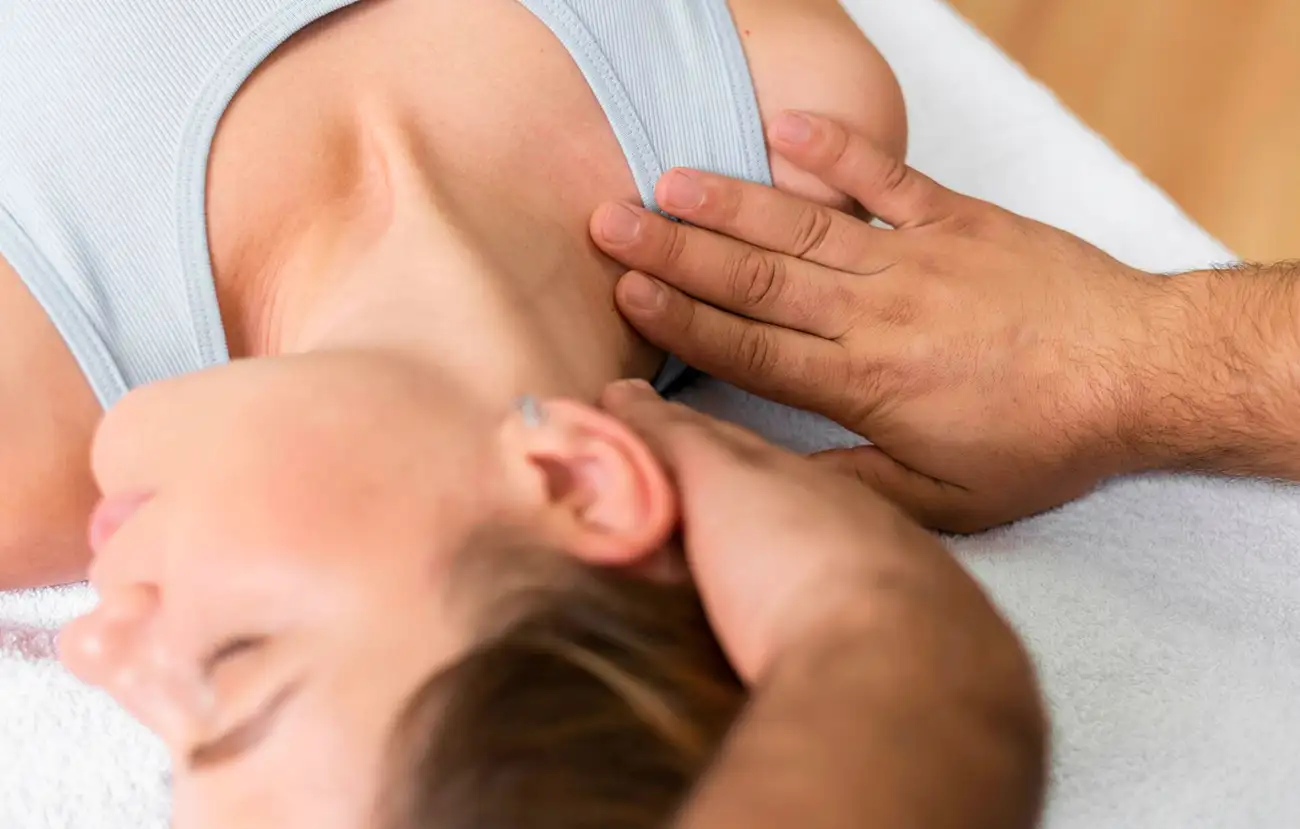
Gentle holds that work with the body’s inherent rhythms to release tension in the membranes surrounding the brain and spinal cord. Particularly effective for sleep disturbances, anxiety, and the overall nervous system dysregulation associated with Parkinson’s.
MPS Therapy (Microcurrent Point Stimulation)
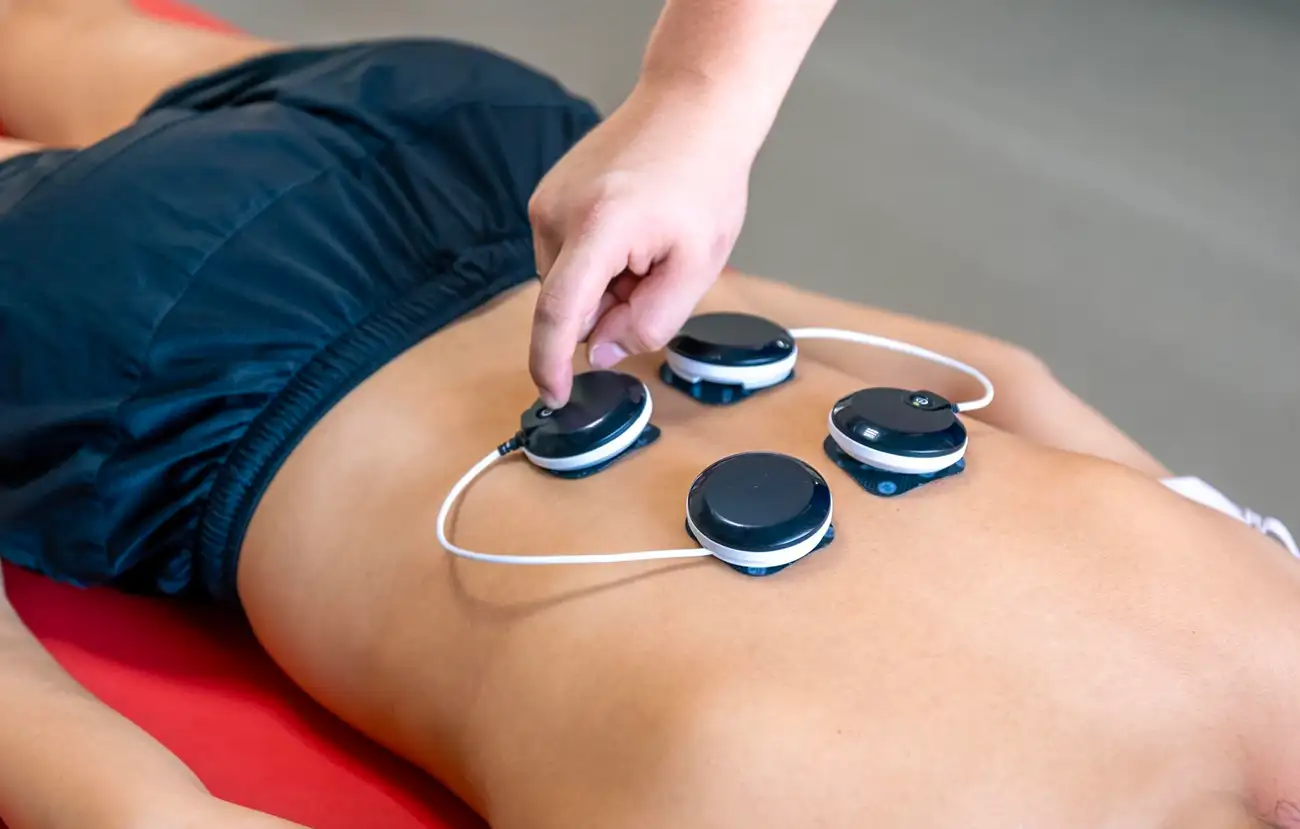
MPS is applied to acupuncture and motor points along the spine and body to modulate the autonomic nervous system and reduce inflammation. Given the emerging research linking Parkinson’s to vagal nerve dysfunction and gut-brain axis dysregulation, MPS’s direct effect on the vagus nerve makes it a particularly relevant tool.
Sessions are adapted to each patient’s capacity, energy levels, and comfort on the day.
Working with Caregivers
Parkinson’s disease is a family experience, not just a patient experience. We welcome caregivers to:
- Attend the first session to understand the approach and ask questions
- Learn simple self-care techniques they can apply at home between sessions (gentle range-of-motion movements, positioning support)
- Communicate any changes in symptoms or medications between sessions
We also discuss realistic goals with both patients and caregivers. Our goal is not to reverse Parkinson’s disease. Our goal is to help patients move more comfortably, sleep better, manage pain, and maintain quality of life for as long as possible.
How Often Should Parkinson’s Patients Book?
Frequency depends on the stage of the disease, symptom severity, and overall energy levels:
- Early-stage Parkinson’s (mild symptoms): Every 2-4 weeks for maintenance and prevention of secondary musculoskeletal issues
- Moderate Parkinson’s (significant rigidity, postural decline): Every 1-2 weeks; more frequent during symptom flares
- Advanced Parkinson’s: Frequency based on patient tolerance and caregiver availability; sessions may be shorter and focus primarily on comfort and relaxation
Consistency matters more than frequency. Regular, predictable sessions – even monthly – are more beneficial than occasional intensive courses.
What to Expect at Your First Visit
Before your first appointment, we recommend:
- Bringing or sending a list of current medications (especially dopamine agonists, which can affect muscle tone and timing of appointments)
- Scheduling your session when medication is working well – typically 1-2 hours after a dose
- Wearing comfortable, loose-fitting clothing
- Planning for 60-75 minutes for the first session (includes intake and assessment)
At the session:
- We take a detailed history of symptoms, medications, and current physical limitations
- We perform a gentle postural and mobility assessment
- We begin treatment with the techniques most appropriate for your presentation
- We provide guidance on self-care between sessions
We set realistic goals together. You will always be in control of the pace and pressure.
Book a Parkinson’s Massage Assessment in Calgary
If you or someone you care for is living with Parkinson’s disease and dealing with stiffness, pain, or reduced mobility, we are here to help.
Orthosports Calgary – 205-222 58 Ave SW (Manchester Industrial, near Chinook Mall)
Phone: 403-984-9962 | Direct billing available
FAQ – Massage Therapy for Parkinson’s Disease in Calgary
Is massage therapy safe for someone with Parkinson’s disease?
Yes, when provided by a therapist experienced with neurological conditions. Massage therapy is generally very safe for Parkinson’s patients. We adapt pressure, positioning, and technique to each patient’s presentation, medication timing, and comfort level. Patients should inform their therapist of all current medications and any recent changes in their condition.
Can massage therapy reduce rigidity in Parkinson’s disease?
Yes. Muscle rigidity – particularly the sustained, constant resistance to passive movement characteristic of Parkinson’s – responds measurably to massage therapy. Multiple studies have documented reduced rigidity scores following structured massage programs. The effect is temporary and requires regular maintenance, but for many patients it significantly improves daily comfort and mobility.
Should we schedule massage around medication timing?
Generally yes. We recommend scheduling sessions when dopaminergic medications are working well – typically 1-2 hours after a dose. This is when muscle tone is most responsive and when the patient is most comfortable and communicative.
What is MPS therapy and why is it used for Parkinson’s patients?
MPS (Microcurrent Point Stimulation) uses gentle DC microcurrent applied to acupuncture and motor points along the body. It directly modulates the autonomic nervous system and vagus nerve – which emerging research links to Parkinson’s progression. It reduces pain, supports nervous system regulation, and complements manual therapy well for this population.