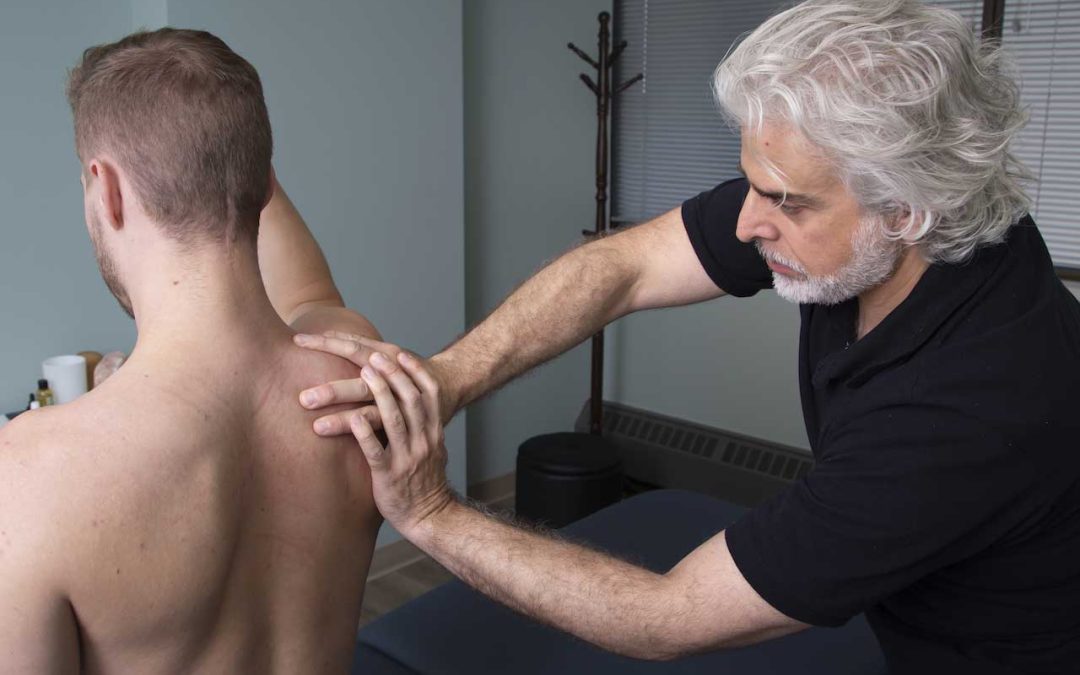
What Does a Manual Osteopath Actually Do?
A manual osteopath looks at your body as a whole system, not just the sore spot. Rather than focusing on one painful area, an osteopath assesses how all your muscles, joints, ligaments, and connective tissue work together. Using hands-on techniques, they identify imbalances and restrictions in movement, then gently work to restore normal function. The goal is simple: find and fix the root cause of your pain, not just mask the symptoms. Osteopathy is non-invasive, drug-free, and personalized to your needs. At Orthosports Calgary, osteopathy is often combined with massage therapy and other techniques for a truly comprehensive approach to healing.
Sign 1 — Your Pain Keeps Coming Back After Massage
You walk out of a massage appointment feeling fantastic. Your shoulders are loose, your back feels great, and you think your problem is finally solved. Then, three days later, the pain returns. If this sounds familiar, you might be treating a symptom rather than a cause. Massage therapy is excellent for loosening tight muscles and improving circulation, but if your pain keeps returning, the issue may be structural. An osteopath identifies deeper imbalances in your movement patterns, posture, and joint function. By addressing the underlying cause—whether it’s a restricted joint, muscular imbalance, or postural habit—an osteopath breaks the cycle so your relief lasts.
For recurring lower back and hip pain, an assessment will show whether targeted orthopedic massage or manual osteopathy is the better starting point.
Sign 2 — You Have Joint Stiffness That Won’t Improve
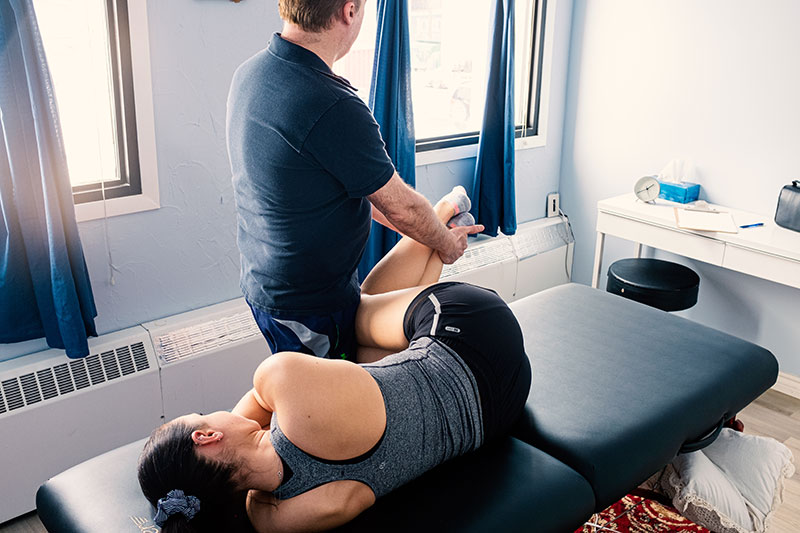
Massage works wonders on soft tissue—tight muscles, knots, and tension. But joint stiffness is a different problem. If your hips feel frozen, your shoulders won’t rotate properly, or your spine feels locked up, you need someone trained in joint mobility. An osteopath uses gentle manipulation and mobilization techniques to restore normal movement in stuck joints. This is especially common in desk workers who sit for hours, causing hips and shoulders to tighten, and in older adults dealing with age-related stiffness. A skilled osteopath can free up these joints and help you move like yourself again.
Sign 3 — You’re Recovering From Surgery or Injury
After surgery or a serious injury, your body doesn’t just heal—it adapts. You unconsciously change how you move to protect the injured area, and those new movement patterns can stick around long after the injury heals. Scar tissue forms and restricts movement. Neighboring muscles tighten to compensate. This is where osteopathy shines. An osteopath is trained to work with scar tissue, improve its flexibility, and help your body remember how to move normally. They guide your natural healing process and restore balanced movement patterns. At Orthosports Calgary, we have experience working with post-surgical patients, helping them regain mobility and confidence.
Sign 4 — You Experience Frequent Headaches or Migraines
Most people don’t realize that chronic headaches and migraines often don’t start in the head—they start in the neck, jaw, upper back, and shoulders. Tension, restricted blood flow, and muscle tightness in these areas can trigger or worsen headaches. An osteopath performs a thorough assessment to find the true source of your headaches. They might use gentle craniosacral therapy to improve fluid flow around the brain and spine, or work on neck and upper back restrictions. Many patients are shocked to discover that treating their neck actually stops their headaches. If headaches have been ruling your life, osteopathy could be the answer.
Sign 5 — You Want a Whole-Body Approach to Pain
Tired of treating one symptom at a time? One month your knee hurts, the next month your shoulder acts up, then your lower back joins the party. This pattern suggests your body isn’t in balance. Osteopathy takes a whole-body approach, looking at your posture, movement habits, work environment, exercise routine, and lifestyle connections. An osteopath doesn’t just treat the painful area—they treat the person. They ask the right questions, assess the bigger picture, and create a plan that addresses the root imbalances causing multiple pain points.
How Osteopathy Works at Orthosports Calgary
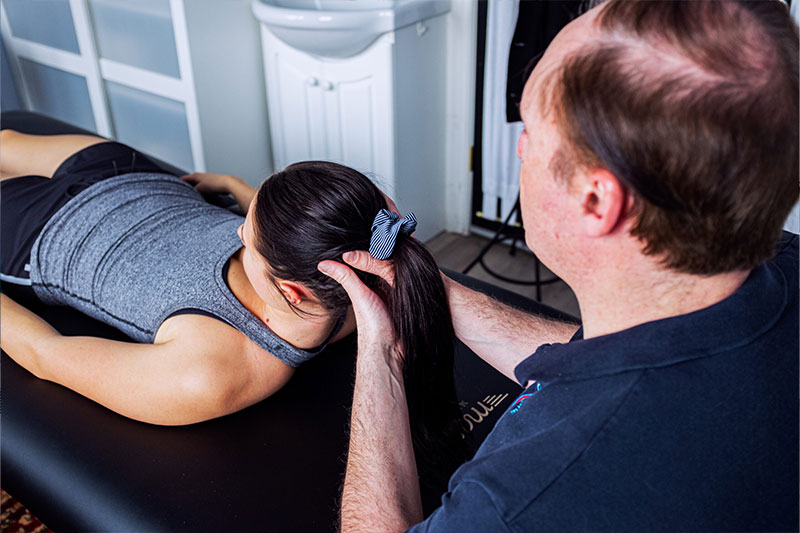
Your first visit at Orthosports Calgary begins with a thorough assessment. Our manual osteopath evaluates your posture, how you move, your pain history, and any injuries or surgeries you’ve had. Then comes the hands-on treatment, where they use their skilled hands to assess and treat your muscles, joints, and connective tissue. Based on what they find, they create a personalized treatment plan. Most patients benefit from combining osteopathy with other modalities available at Orthosports, such as deep tissue massage, myofascial percussion (MPS) therapy, and targeted exercises. We’re located in SW Calgary’s Manchester Industrial area, near Chinook Mall, making it easy to fit your appointment into your week.
Frequently Asked Questions
Q: What is the difference between an osteopath and a massage therapist?
A: A massage therapist primarily works on muscles and soft tissue to relieve tension and improve circulation. A manual osteopath takes a whole-body approach, assessing and treating muscles, joints, and connective tissue together to address the root cause of pain rather than just symptoms. Think of it this way: massage treats the tight muscle, while osteopathy asks why that muscle is tight in the first place.
Q: How is osteopathy different from massage therapy?
A: Massage therapy focuses on soft tissue relief through techniques like kneading and pressure. Manual osteopathy also assesses and treats joints, ligaments and the body’s overall structural balance, often addressing the root cause of pain rather than just the symptom.
Q: Do I need a referral to see an osteopath in Calgary?
A: No referral is required. You can book directly with our manual osteopath at Orthosports Calgary.
Q: Is osteopathy covered by insurance?
A: Many extended health plans cover manual osteopathy, and we offer direct billing for many providers. Confirm your specific coverage with your plan before your visit.
Think you might benefit from osteopathy? Book an assessment at Orthosports Calgary. Our manual osteopath will evaluate your condition and create a personalized treatment plan. Call 403-984-9962 or book online at orthomassagecalgary.ca.